
In short: the EX-19 form Spain uses for the residence card of a family member of an EU citizen (Real Decreto 240/2007) has 5 sections, translated field by field. Spanish only. The PDF is free at inclusion.gob.es.
In person or by representative? The official information sheet (Hoja 62) says the family member files the application personally, in person. The form has a representative section (3) and Hoja 60 allows representation, but the two sheets do not match: if you want to send someone, confirm it with your Oficina de Extranjería first. Fingerprints require appearing in person at least once (Regulation (EU) 2025/1208, art. 10.1).
1) DATOS DE LA PERSONA EXTRANJERA (applicant): PASAPORTE = passport no.; N.I.E. = foreigner ID; 1er Apellido, 2º Apellido = surnames; Nombre = first name; Sexo (1) = H man, M woman, X undefined (only if it is officially recognised for you in your country of origin); Fecha de nacimiento (2) = date of birth, dd/mm/aaaa, with Lugar, País = place, country. Nacionalidad; Estado civil (3) = S single, C married, V widowed, D divorced, Sp separated; Nombre del padre, Nombre de la madre = father's, mother's name. Domicilio en España = address (Nº number, Piso floor, Localidad town, C.P. postcode, Provincia); Teléfono móvil = mobile; E-mail. Representante legal, en su caso = legal representative if any, with NIE/PAS and Título (4).
2) DATOS DEL CIUDADANO DE LA UNIÓN [...] (NO ESPAÑOL) = the EU relative, not Spanish: PASAPORTE, N.I.E., names, Nacionalidad and Domicilio en España, as in 1).
3) DATOS DEL REPRESENTANTE A EFECTOS DE PRESENTACIÓN DE LA SOLICITUD (5) = representative who files, if not the applicant (see step 2).
4) DOMICILIO A EFECTOS DE NOTIFICACIONES = address for notices, with the box CONSIENTO (see step 3).
5) SITUACIÓN EN ESPAÑA DEL SOLICITANTE (7) = tick one option: RESIDENCIA TEMPORAL/INICIAL (temporary/initial), as Cónyuge (spouse); Pareja registrada (registered partner); Pareja estable debidamente probada (proven stable partner); Descendiente <21 años (descendant under 21); Descendiente >21 años a cargo (dependent descendant over 21); Ascendiente a cargo (dependent parent/grandparent); Progenitor de menor de edad ciudadano de la UE (parent of an EU-citizen minor); Otros familiares (other relatives). RESIDENCIA PERMANENTE (permanent). RENOVACIÓN DE TARJETA (renewal). MANTENIMIENTO A TÍTULO PERSONAL DEL DERECHO DE RESIDENCIA (right kept in your own name) after: Fallecimiento del ciudadano de la UE (death of the EU citizen); Nulidad del vínculo matrimonial, divorcio y cancelación de la inscripción como pareja registrada (annulment, divorce, partnership ended); Víctima de violencia de género, violencia sexual y trata de seres humanos (victim of gender or sexual violence, or trafficking); Otros (custodia de hijos, derecho de visitas) (custody, visiting rights).

Steps:
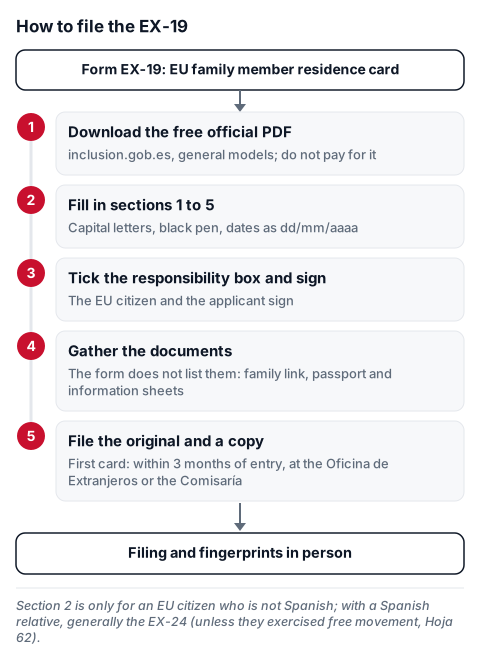
- Download the official PDF of the EX-19 or its editable version. It is free and the form itself bans selling it: do not pay for it. The other EX forms are in Spain EX forms in English.
- Fill in sections 1 to 5 in CAPITAL LETTERS, with a black pen and block lettering or typed; dates as dd/mm/aaaa. Watch out: section 2 is only for an EU citizen who is not Spanish; with a Spanish relative the route is different (EX-24). Even so, Hoja 62 allows EX-19 for the family member of a Spanish national who has exercised free movement (for example, lived in another EU country). In that case, ask your office how to fill in section 2. Section 3 only if someone other than the applicant files (note 5): Nombre/Razón Social = name or company; DNI/NIE/PAS = ID number; address, contacts and Representante legal as in 1), with Título (4) = basis of representation, e.g. parent of a minor.
- Section 4: Nombre/Razón Social, DNI/NIE/PAS, address, phone and e-mail of whoever gets the notices; if left empty, they go to the applicant. Box CONSIENTO = you accept notices in the Dirección electrónica habilitada Única (Dehú), which needs a valid electronic certificate or cl@ve (6). Phone and e-mail allow an informational alert when a notice is pending.
- In "DIRIGIDA A" write the office, with its Código DIR3 and the PROVINCIA. If you do not know them, ask at your Oficina de Extranjería.
- Tick the box saying the signatories answer for the truth of the data and documents (8), add place and date, and have the EU citizen and the applicant sign (or their legal representatives). In the maintenance cases (death, divorce, etc.) the form does not clarify this signature: ask at your office.
- Gather the documents: the form lists neither them nor the fees. According to our card guide, you must prove the family link (translated and, where applicable, apostilled or legalised) and have a valid passport; under RD 240/2007 (art. 8.3) also the EU citizen's registration certificate and, where it applies, proof of dependency. The fee is form 790 code 052, section 5, per Hoja 62. The rest is in the information sheets for each procedure. You do not have to provide documents made by a public body or already filed in an earlier procedure (8).
- File the original and a copy of the form with the documents. For the first card, RD 240/2007 (art. 8.2) sets the place and the deadline: the Oficina de Extranjeros of the province where you will live or, failing that, the Comisaría de Policía, within 3 months of entering Spain. When you file, you get a receipt (resguardo) on the spot that proves your legal stay until the card is handed over. Whether you need a prior appointment, confirm at your office; for renewal and permanent residence, check the deadline in the information sheet.
- Fingerprints: in person (Regulation (EU) 2025/1208, art. 10.1). The first card is issued within 3 months of the application and is valid for 5 years, or less if the EU citizen's planned residence is shorter (RD 240/2007, arts. 8.4 and 8.5); the permanent residence card is also issued within 3 months and is renewable every 10 years (art. 11.1).
Official source: EX-19 form (PDF, inclusion.gob.es) · general models · RD 240/2007.
Informational only; check the official source and a professional for your specific case.